Dharuhera Real Estate 2026: From Factory Town to Farmhouse Destination
Ask anyone who's driven NH-48 past Rewari district over the last decade, and they'll tell you the same thing: Dharuhera used to be a place you passed through on the way to a factory. Today, it's increasingly a place people are choosing to live in — and even to build a weekend home in.
The Industrial Base That Started It All
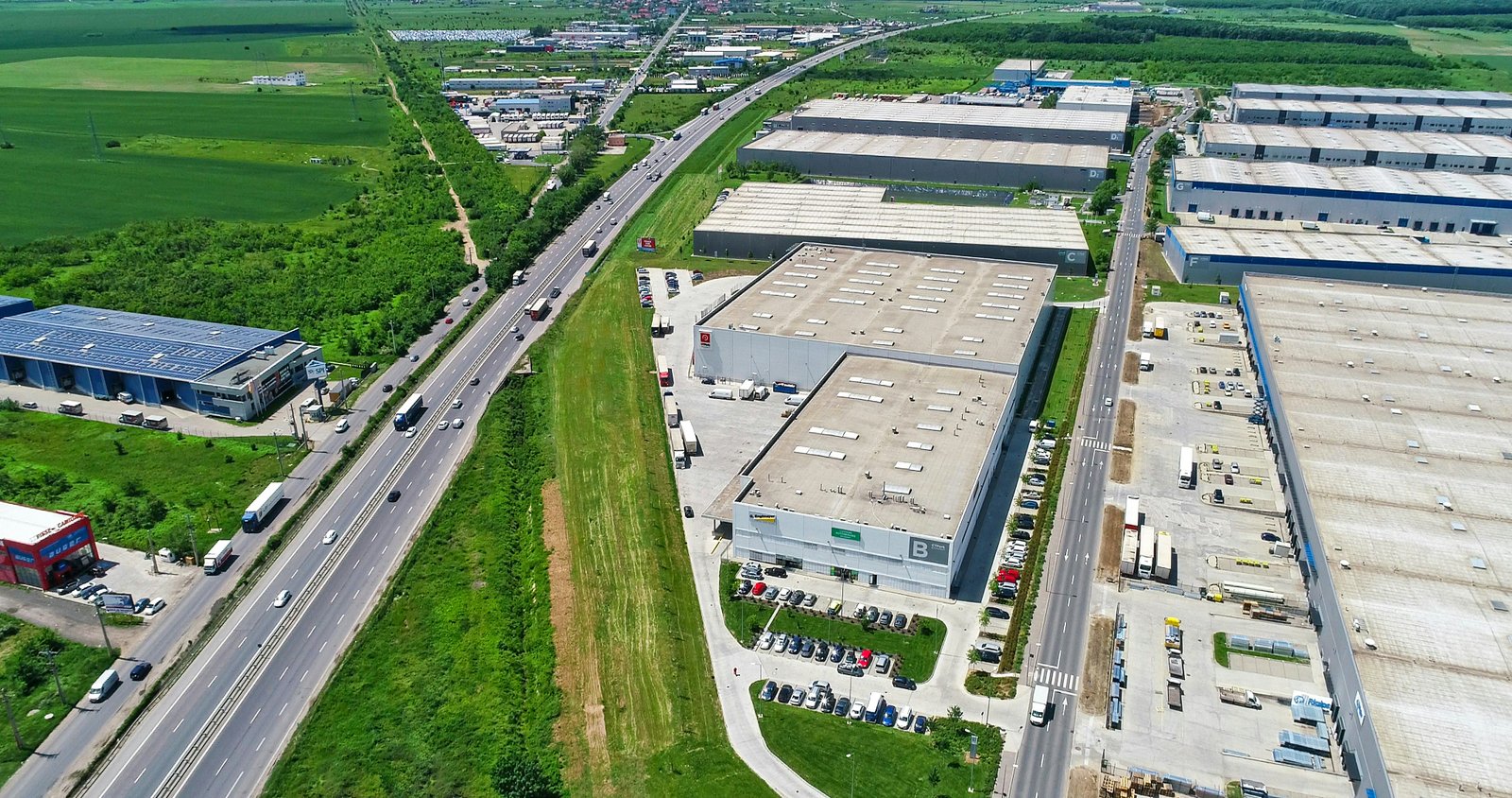
Dharuhera's story began with manufacturing. The town is home to more than 1,800 industries, including major names like Hero MotoCorp, Honda, Carlsberg, Gillette, Amul and Jaquar, supporting a combined workforce well over 1.6 million people across the wider belt. That's not a speculative number chasing a rumor of future growth — it's an existing employment base that has, for years, quietly generated steady demand for rental housing near industrial zones and along NH-48.Why the Growth Story Is Changing Shape
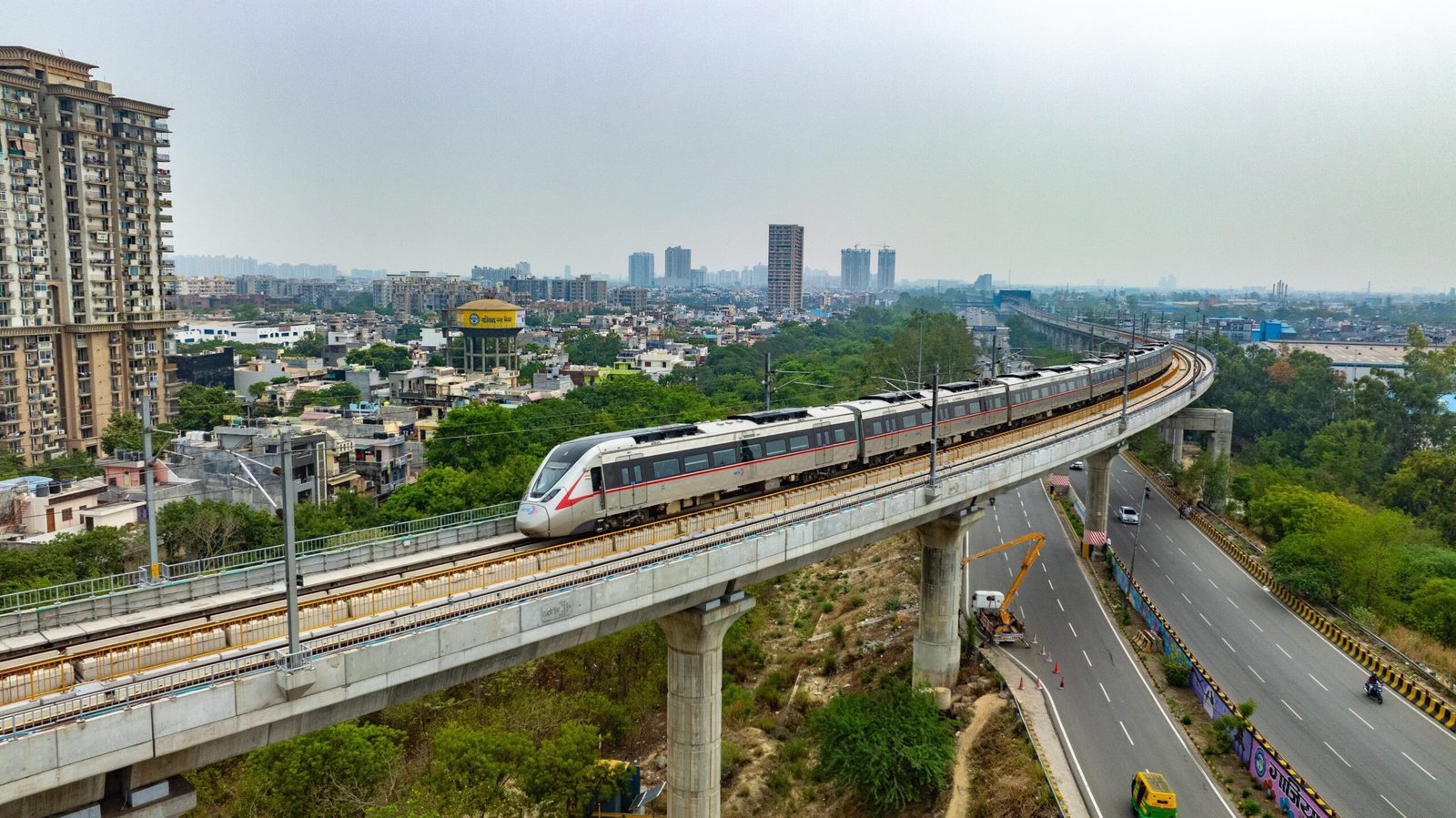
What's shifting now is the type of demand. Dharuhera sits along the Delhi-Jaipur corridor (NH-48), roughly 40–49 km from the Gurugram border, and falls under the Manesar-Bawal Investment Region (MBIR) — the first investment node of the Delhi-Mumbai Industrial Corridor (DMIC). The MBIR alone is projected to generate around 16 lakh jobs and USD 42 billion in industrial output by 2040. Add to that the KMP Expressway, ongoing NH-48 decongestion work (four new flyovers under a ₹282 crore project), and direct access to the under-construction Delhi-Mumbai Expressway, and Dharuhera starts to look less like a satellite industrial town and more like a self-sufficient urban node in the making.Then there's the RRTS. Dharuhera is confirmed as the 13th station on the Delhi-Gurugram-SNB-Alwar corridor and, notably, the site of the network's main 182-acre maintenance depot. Construction on this corridor is expected to begin around August 2026, with the Sarai Kale Khan–Dharuhera/Bawal stretch targeted for commercial launch in November 2031.
What's Happening to Prices
The numbers tell a clear story of momentum. Residential plot prices in Dharuhera have moved from around ₹20,000 per square yard in 2019 to roughly ₹65,000–70,000 per square yard by 2025 — nearly a threefold increase in five years. Even after that run-up, Dharuhera remains meaningfully cheaper than Gurugram or Manesar, which is exactly why brokers and developers describe the current window as an early-mover opportunity rather than a late-cycle chase. Commercial properties near highways and industrial clusters are fetching rental yields of 6–8%, while residential rental yields sit in the 2–3% range — with 2BHK rents around ₹8,000/month and 3BHK rents around ₹13,000–15,000/month, still a fraction of comparable Gurugram rents.The Rise of the Farmhouse Segment: Enter Panturli Greens
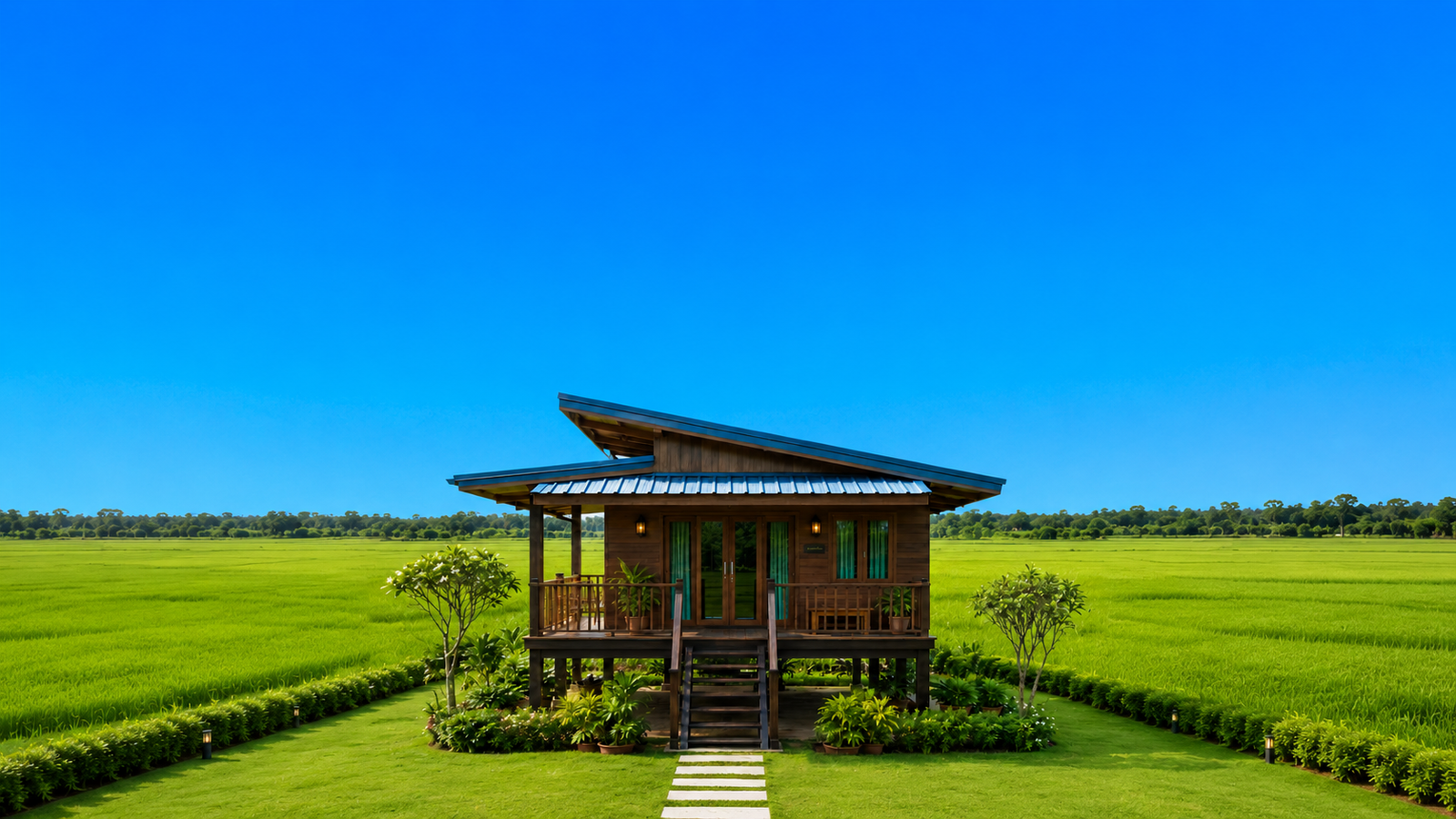
While plotted residential and builder-floor developments have dominated Dharuhera's growth story so far, a newer trend is emerging on its outskirts: farmhouse-format developments that offer larger land parcels, lower density, and a lifestyle proposition rather than a pure commuter-housing one. This is where Rakba India's Panturli Greens, located in Nandrampur Bas near Dharuhera, fits into the picture.Panturli Greens is positioned for buyers who want more than a plot in a dense sector — people looking for weekend retreats, farmhouse living, or a land investment with room to build a private, green, low-density property away from the congestion of Gurugram or central Dharuhera, while still remaining close enough to the NH-48 corridor and the coming RRTS network to stay commutable. As Dharuhera's core sectors fill up with plotted colonies and builder floors, farmhouse-format land on the periphery — like Nandrampur Bas — becomes the next logical frontier for both lifestyle buyers and long-horizon land investors, echoing what happened in Gurugram's own outskirts a decade earlier.
Who Is Building in Dharuhera
Dharuhera's developer landscape includes established names such as M2K Group, Vardhman Developers, Dwarkadhis Projects, Vipul Infrastructure, Parsvnath Developers, and Gambhir Housing India, spread across sectors like Sector 1, 3, 4, 6, 7, 7A, 19, 22, 23 and 24. Most listings fall in the residential plot category, ranging from compact 60–125 sq. yard plots to larger 300–500+ sq. yard parcels, alongside a handful of low-density townships. This gives the market real depth — Panturli Greens enters a corridor where developer credibility and buyer familiarity are already established, rather than a completely untested location.The Realistic Risk Picture
No infrastructure story is risk-free. The RRTS project was originally planned for a much earlier completion date and has already been pushed to a 2031 target for even its first phase; large Indian infrastructure projects have historically seen 20–40% cost and timeline overruns. Land acquisition for the corridor (expected December 2025 to November 2027) remains the single biggest variable. Buyers should treat the RRTS as a strong tailwind and a multi-year value driver — not a reason to assume overnight price jumps.Bottom Line for Buyers
Dharuhera today offers a rare combination: a mature industrial employment base, price points still well below Gurugram, and a confirmed, high-value RRTS station and depot on the horizon. For plotted residential buyers, the established sectors remain the safer, more liquid choice. For those seeking land banking, lifestyle farmhouses, or a lower-density alternative with long-term appreciation potential, developments like Panturli Greens in Nandrampur Bas represent the next stage of Dharuhera's growth story — entering the market at a stage similar to where Dharuhera's mainstream plotted sectors were five to seven years ago.Figures cited reflect publicly reported market data as of mid-2026 and are indicative; actual project-specific pricing and terms should be confirmed directly with the developer.