Delhi-Alwar RRTS: The Game-Changer for Bhiwadi and Dharuhera Real Estate
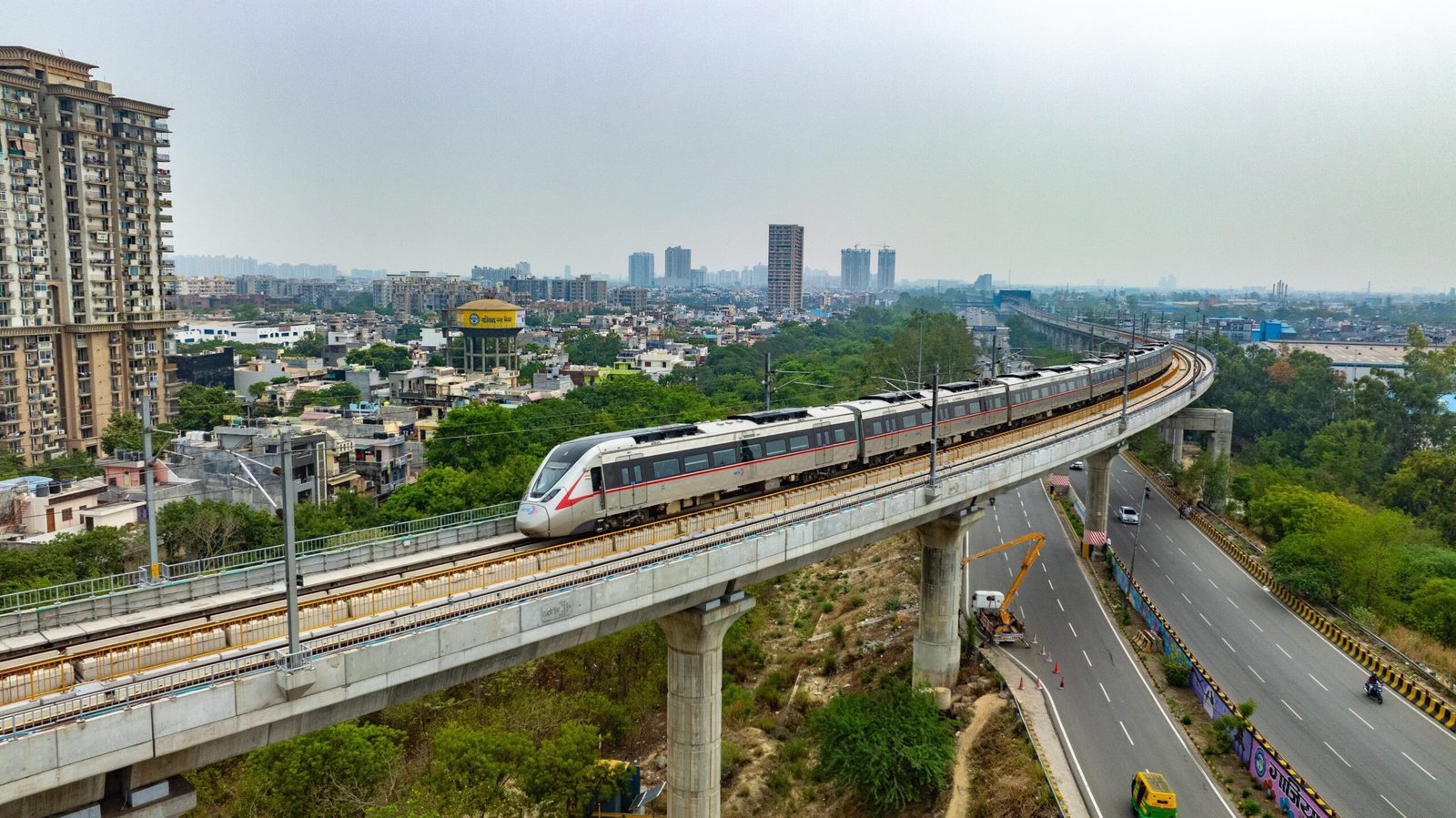
For years, Bhiwadi and Dharuhera have carried a single label — "industrial towns." That label is now changing, and the biggest reason is a 164-km rail line most people know only by its nickname: Namo Bharat.
What Is Actually Happening With the RRTS
The Delhi-Gurugram-SNB-Alwar RRTS (Regional Rapid Transit System) is one of three "early bird" corridors approved under India's Namo Bharat network, alongside Delhi-Meerut and Delhi-Panipat. It will run from Sarai Kale Khan in Delhi through Gurugram, Manesar, Dharuhera, Rewari, Bawal, Neemrana, Behror and Shahjahanpur-Neemrana-Behror (SNB) to Khairthal and finally Alwar, with 22 stations across the full alignment. Trains are designed to run at a top speed of 160 km/h, cutting the Delhi-to-Alwar journey to around 100–104 minutes — a route that currently eats up 3 to 4 hours by road.
The project is being built in phases, and the first phase — Sarai Kale Khan to Dharuhera/Bawal, roughly 105 km with 16 stations — has been cleared for construction as a single package rather than piecemeal. Construction is slated to begin around August 2026, with commercial operations on this first stretch targeted for November 2031. The full Alwar extension, including the Bhiwadi and Neemrana-facing sections, is expected to follow in later phases through the mid-2030s. The total project cost is pegged at roughly ₹35,000–37,000 crore, funded substantially through loans from the World Bank, ADB and JICA.
Why Dharuhera Gets an Outsized Advantage
Dharuhera isn't just another stop on the line — it is the 13th station on the main corridor and, more importantly, the site of the primary maintenance depot for the entire RRTS network. That depot alone spans 182 acres just off the Delhi-Jaipur Expressway. Depot-town status matters because it locks in long-term infrastructure spending, permanent operational staff, and a station that will remain a functional terminus even while later phases toward Alwar are still under construction. Once operational, Gurugram to Dharuhera is projected to take just 25–30 minutes, and Delhi to Dharuhera around 38–45 minutes, compared to 90–120 minutes today by road.
Why Bhiwadi Benefits Even Without Its Own Confirmed Station in Phase 1
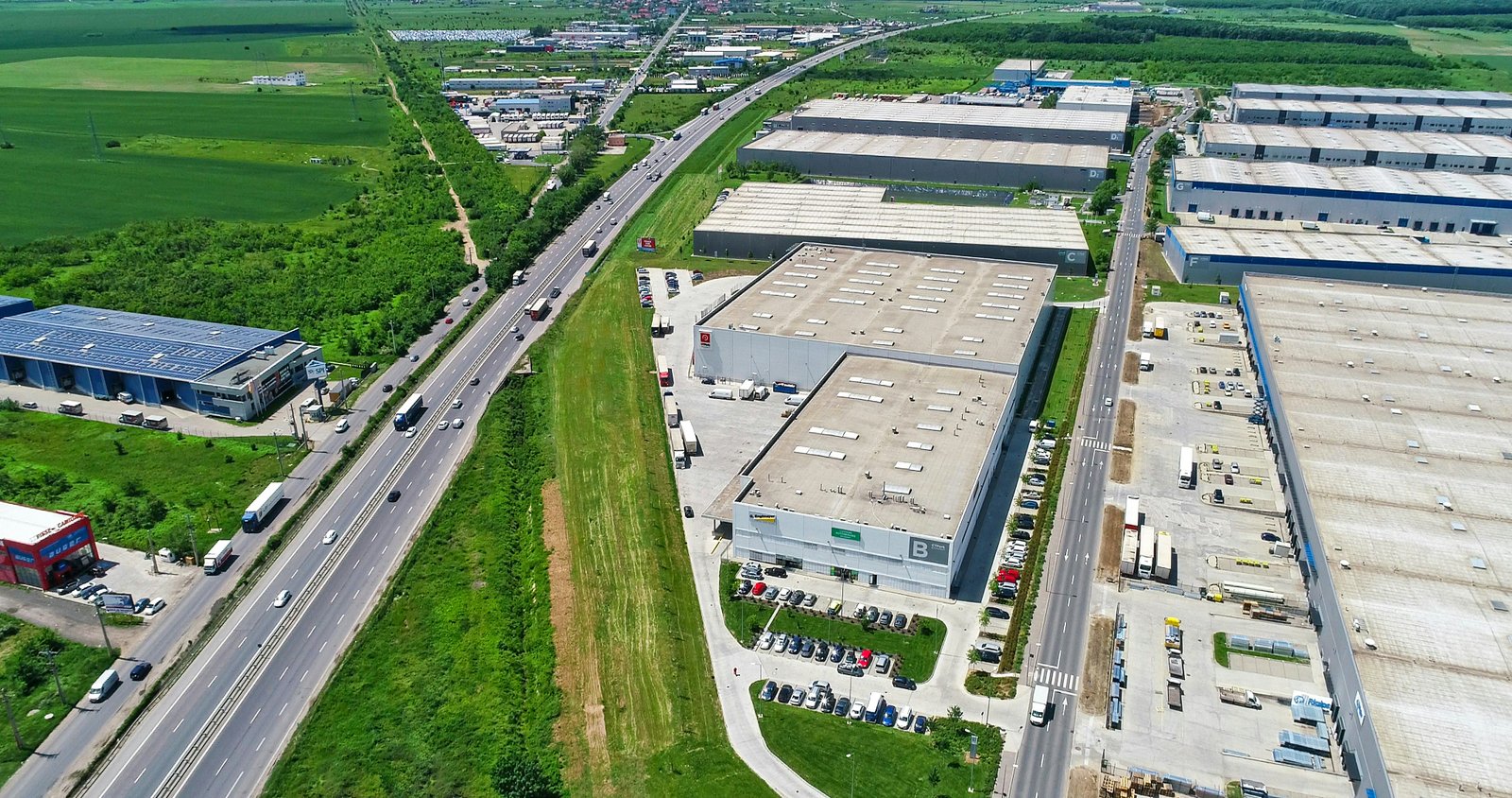
Bhiwadi sits just off the main corridor near the Rajasthan border and is repeatedly named by planners and industry bodies as one of the towns set to benefit directly from the RRTS, given its status as one of the largest industrial clusters in the region. Even before a station is fully operational in its immediate vicinity, Bhiwadi gains from spillover effects: improved regional connectivity encourages companies to expand manufacturing and warehousing footprints nearby, and homebuyers priced out of Gurugram and Manesar look further down the corridor — including Bhiwadi and Tapukara — for affordable housing and plotted development.
What History Tells Us About Price Appreciation
The Delhi-Meerut RRTS corridor, which became fully operational in early 2026, is the closest real precedent available. Property values within about 2 km of operational Meerut RRTS stations appreciated by an estimated 35–40% within two years of the line going live, according to industry data cited by real estate advisors tracking the corridor. If that pattern repeats along the Delhi-Alwar line, the window between now (pre-construction) and the construction-visible phase starting August 2026 is likely to be the most attractive entry point for both end-users and investors — prices tend to move fastest once construction becomes physically visible on the ground, well before trains actually start running.
The Bigger Picture: Industrial Corridor Meets Rapid Rail
The RRTS doesn't exist in isolation. It runs largely parallel to the Delhi-Mumbai Industrial Corridor (DMIC) and the Western Dedicated Freight Corridor (DFC), both of which already anchor Dharuhera and Bhiwadi's industrial economies. Dharuhera falls within the Manesar-Bawal Investment Region (MBIR), the first DMIC investment node, projected to generate around 16 lakh jobs and USD 42 billion in industrial output by 2040. When a rapid-rail passenger corridor is layered on top of an already-active freight and manufacturing corridor, the result is a rare combination: industrial job creation on one side, and fast, comfortable commuting on the other. That combination is what drives sustainable, long-term real estate demand rather than short-term speculation.
What This Means for Homebuyers and Investors
- Affordability with an upside runway: Both towns remain dramatically cheaper than Gurugram, while sitting on a corridor that is about to get materially better connected.
- Timing matters: Land and plot prices along under-construction transit corridors typically rise faster in the pre-completion window than after the line opens.
- Depot towns carry extra weight: Dharuhera's depot status gives it a structural advantage most stations on the line won't have.
- Industrial depth reduces risk: Unlike purely speculative peripheral markets, Bhiwadi and Dharuhera already have thousands of operating factories and a resident workforce, which underwrites genuine housing and rental demand — not just investor flipping.
For anyone evaluating projects in this belt — including plotted developments like Rakba India's Ekta Enclave in Tapukara, Bhiwadi, or farmhouse-format developments such as Panturli Greens near Dharuhera — the RRTS timeline is now a core part of the investment thesis, not a footnote. The next 18–24 months, as construction visibly ramps up, will likely define entry pricing for the next decade of this corridor's growth.
This article reflects publicly available infrastructure updates as of July 2026. Project timelines for large infrastructure works are subject to revision; buyers should verify current status before making investment decisions.