Bhiwadi vs Dharuhera: A 2026 Investor's Guide to NCR's Next Growth Corridor
If you have ₹15–50 lakh set aside for a real estate investment in the extended NCR and you're weighing Bhiwadi against Dharuhera, you're not alone — and you're asking the right question at the right time. Both towns sit on the same broader growth story, but the way that story plays out for a buyer is different in each place. Here's a side-by-side look, grounded in current market data.
The Core Similarities
Both towns share the same three fundamental growth drivers:
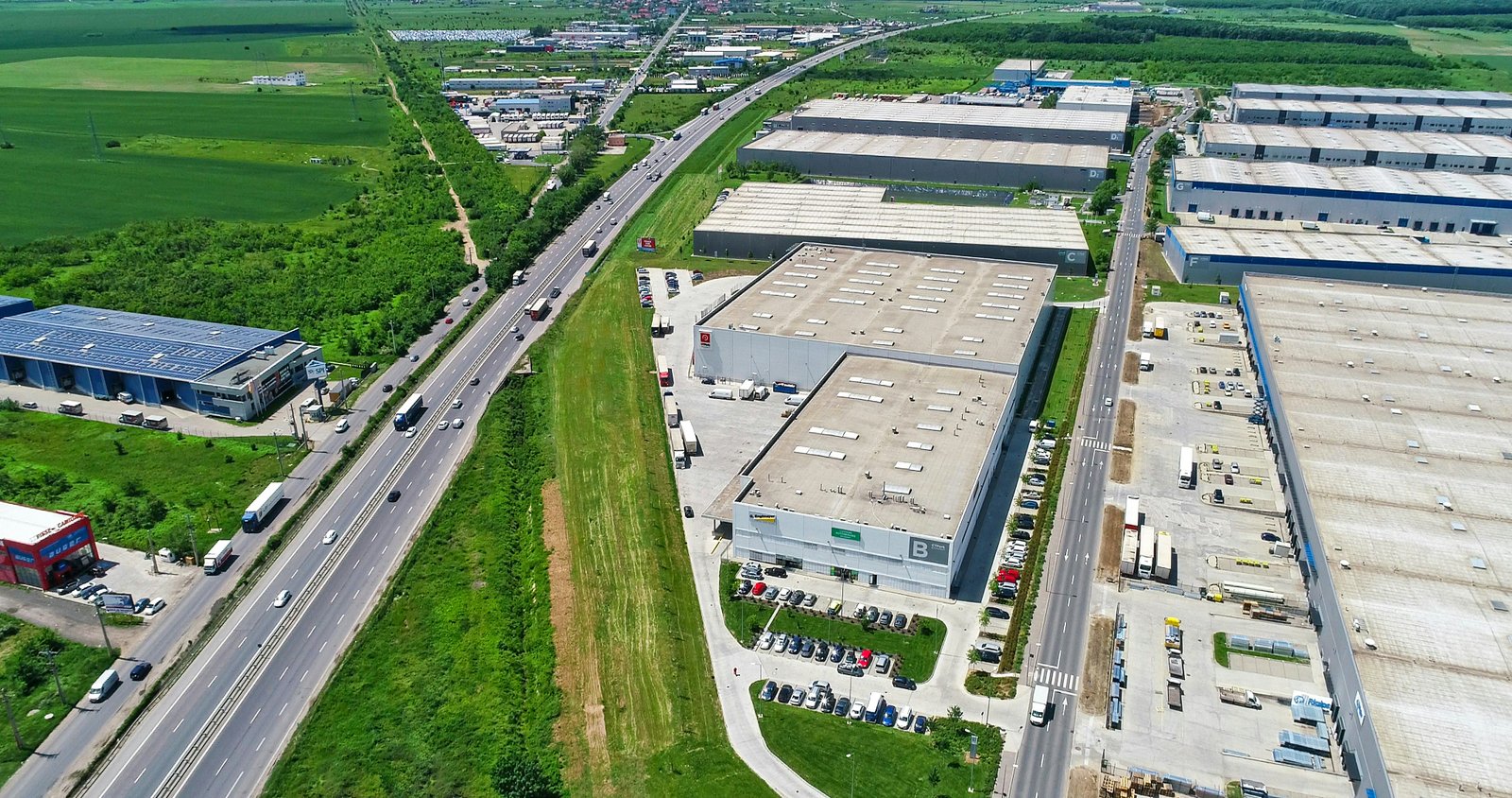
1. An existing, large industrial employment base — Dharuhera with 1,800+ industries and 1.6 million+ workers; Bhiwadi with 2,700+ industries.
2. DMIC positioning — both fall within the broader Delhi-Mumbai Industrial Corridor footprint.
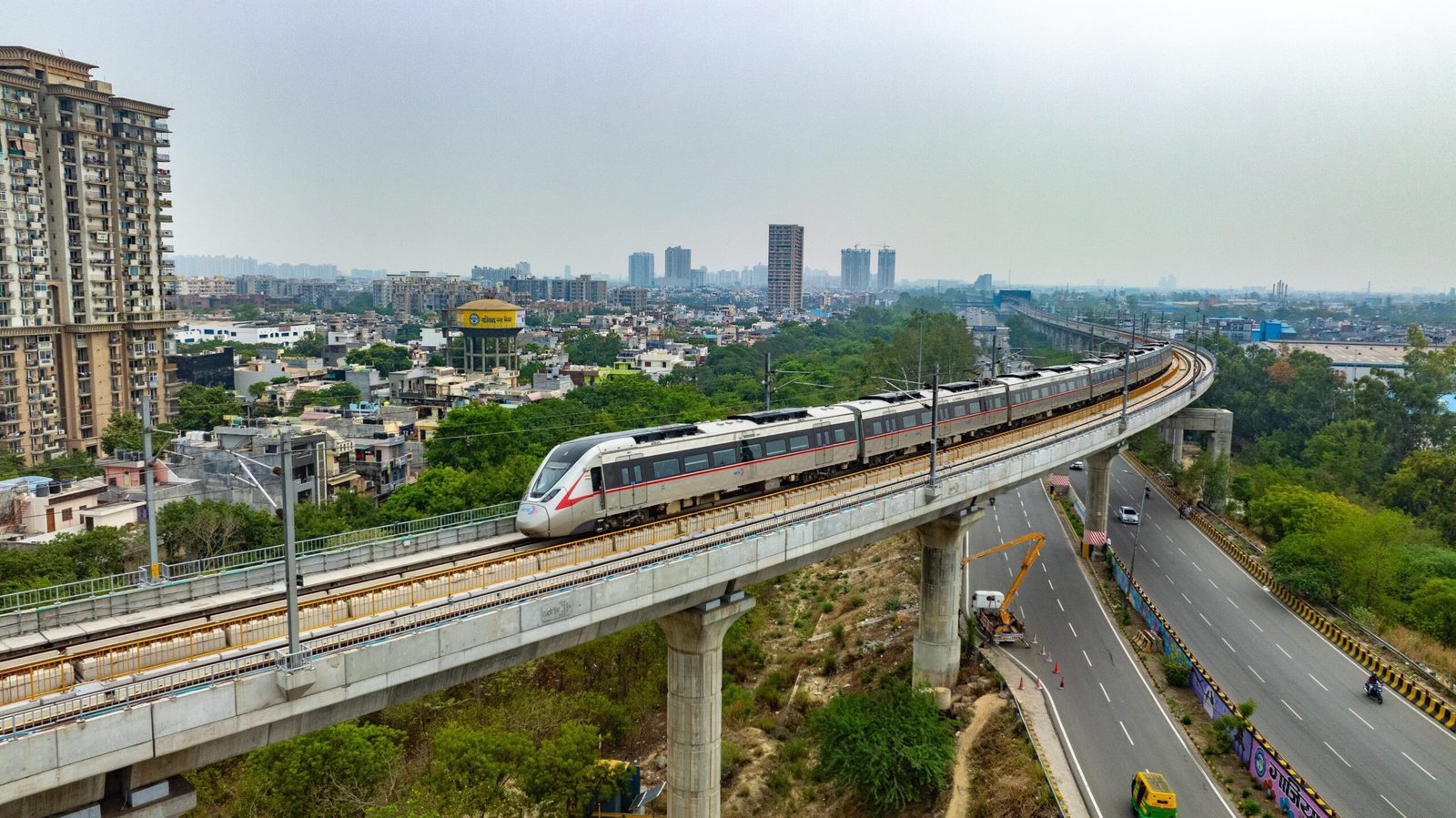
3. RRTS proximity — Dharuhera has a confirmed station and the network's main depot; Bhiwadi is a named beneficiary of the wider corridor even without a confirmed Phase 1 station of its own.
Both are also significantly cheaper than Gurugram, both sit on or near NH-8/NH-48, and both are seeing a shift from purely speculative land trading toward more structured, RERA-approved development.
Where They Differ
| Factor | Dharuhera (Haryana) | Bhiwadi (Rajasthan)
| RRTS station status | Confirmed Phase 1 station + main depot (182 acres) | Not on confirmed Phase 1 line; benefits via corridor spillover |
| Plot price range | ~₹65,000–70,000/sq. yard (2025, up from ₹20,000 in 2019) | ~₹1,350–2,500/sq. ft. in accessible localities; premium pockets like Thara/UIT far higher |
| Rental yield (residential) | 2.2–3% | Varies by locality; Thara ~7%, Tapukara ~4.3% |
| Rental yield (commercial) | 6–8% | Comparable, concentrated near industrial clusters |
| Dominant industries | Auto, FMCG, consumer goods (Hero MotoCorp, Honda, Gillette, Amul) | Steel, electronics, pharma, textiles (Honda, Hero MotoCorp, Shree Cement) |
| Emerging project type | Farmhouse/low-density land on periphery (e.g., Nandrampur Bas) | RERA plotted development in industrial-adjacent micro-markets (e.g., Tapukara) |
| State-level factor | Haryana — established DMIC investment region (MBIR) | Rajasthan — newer entrant to Namo Bharat network, state government actively courting RRTS benefits |
Two Formats, Two Strategies — Both From the Same Corridor
Because Rakba India operates in both markets, its two flagship projects offer a useful lens for thinking about strategy rather than just geography.Ekta Enclave, Tapukara (Bhiwadi) — the connectivity-and-industry play
Ekta Enclave is a RERA-approved plotted development in Tapukara, a Bhiwadi micro-market that already shows measurable rental demand (around 4.3% yield in recent locality data) and sits close to one of India's densest small-and-medium industrial clusters. This is the more classic "buy near the factories, rent to the workforce, hold for corridor-wide appreciation" strategy. It suits buyers who want:- Legal clarity through RERA approval
- A liquid, plotted asset class (the dominant and most tradeable format in Bhiwadi)
- Exposure to near-term rental income *and* medium-term RRTS-driven appreciation
Panturli Greens, Nandrampur Bas (Dharuhera) — the land-banking and lifestyle play
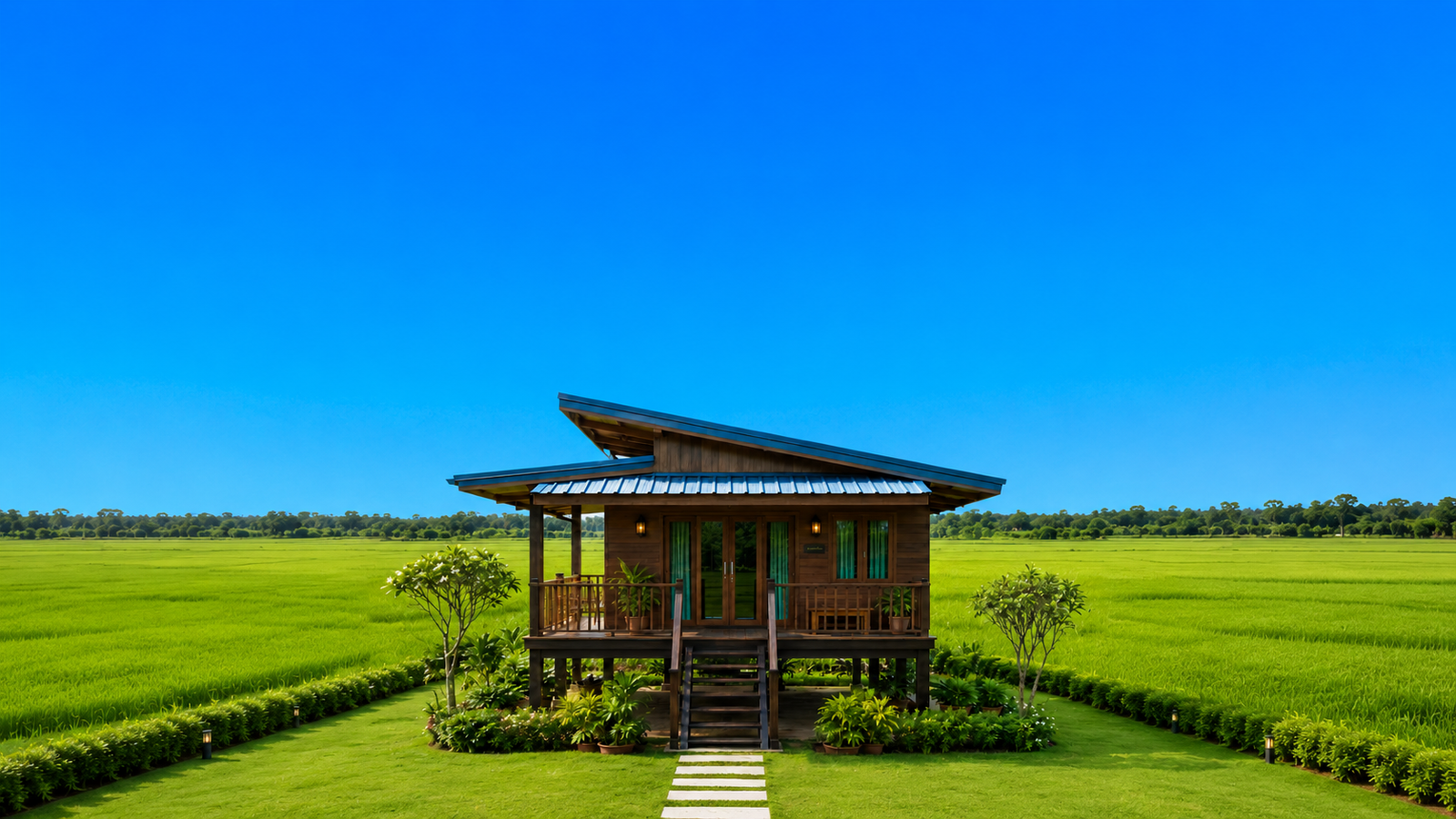
Panturli Greens is a farmhouse-format development positioned on Dharuhera's periphery, catering to buyers who want larger parcels, lower density, and either a lifestyle/weekend-home use case or a longer-horizon land-banking strategy. This mirrors what happened on Gurugram's outer edges a decade ago, when farmhouse land on the periphery quietly appreciated well ahead of the plotted-colony boom that followed. It suits buyers who want:- Larger, lower-density land parcels rather than dense plotted colonies
- A lifestyle use case (weekend retreat, farmhouse) alongside investment upside
- Positioning ahead of Dharuhera's confirmed RRTS depot-town status
A Simple Framework for Deciding
- Want rental income sooner, near an active industrial workforce? Lean toward Bhiwadi-format plotted developments like Ekta Enclave.- Want a lower entry density, lifestyle value, and exposure to Dharuhera's confirmed RRTS depot-town status? Lean toward Dharuhera-periphery farmhouse land like Panturli Greens.
- Want to hedge across both formats? The corridor's strength is that it doesn't require picking a winner between the two towns — both are structurally linked to the same DMIC/RRTS growth engine, just expressed through different real estate formats.
Risk Factors to Keep in Mind
- Infrastructure timelines slip. The RRTS project has already moved from an earlier target to a November 2031 Phase 1 completion date; Indian infrastructure projects commonly see further delays.- Bhiwadi's RRTS benefit is indirect for now. Buyers should treat this as a medium-to-long-term catalyst, not a confirmed near-term station effect.
- Always verify RERA status and land title independently before committing capital, regardless of how established the corridor narrative is.
- Liquidity varies by micro-market. Established sectors in both towns are more liquid than newer, peripheral farmhouse zones — factor your own investment horizon accordingly.
Bottom Line
Bhiwadi and Dharuhera aren't competing markets so much as two expressions of the same industrial-and-infrastructure growth story straddling the Haryana-Rajasthan border. Dharuhera offers more infrastructure certainty (a confirmed RRTS station and depot) at a higher price point; Bhiwadi offers deeper industrial density and lower entry prices with a less certain but still credible RRTS spillover story. For investors and end-users alike, the smartest approach in 2026 is treating this as one connected corridor — and choosing the project format (dense plotted development vs. low-density farmhouse land) that matches your own investment horizon, rather than picking a side of the state border.This is general market information, not investment advice. Prices, yields and infrastructure timelines are drawn from publicly available market data as of mid-2026 and are subject to change; verify current figures and project-specific RERA/title details directly before investing.